The people of the United Arab Emirates observe Ramadan as their period of personal reflection and community connection, and their practice of charitable deeds. The holy month, which holds religious importance, also brings about changes to commercial activities, including the real estate market. Ramadan creates a special experience for buying a home in Dubai because it attracts sellers who need to sell and lets buyers negotiate terms, which gives them opportunities to make strategic purchases.
Dubai’s real estate market has demonstrated remarkable resilience and growth in recent years. According to data released by the Dubai Land Department, the emirate recorded 125,538 property transactions worth approximately AED 431 billion in the first half of 2025, reflecting around 26% year-on-year growth in transaction volume. These figures highlight the continued global demand for Dubai real estate and reinforce the city’s position as one of the most dynamic property markets worldwide.
Dubai’s real estate ecosystem is dynamic year-round, but Ramadan introduces nuanced behavioral shifts:
The business operates with reduced work hours, which results in slower transaction processing times. The overall activity level will decrease, yet this change does not mean that people will stop requesting services. The situation establishes a marketplace that includes dedicated purchasers and dedicated vendors who engage in serious business transactions.
The majority of property owners seek to finalize their transactions before Eid because this will help them access funds and balance their investment portfolios. Developers frequently introduce Ramadan-specific incentives, which include waived DLD (Dubai Land Department) fees, post-handover payment plans, service charge holidays, and flexible down payment structures. For buyers looking to buy home in Dubai, these limited-time offerings can significantly reduce upfront capital requirements.
With fewer casual viewings and more intentional discussions, buyers often experience improved negotiation bandwidth. Sellers are generally more open to structured deals and reasonable price adjustments during this period.
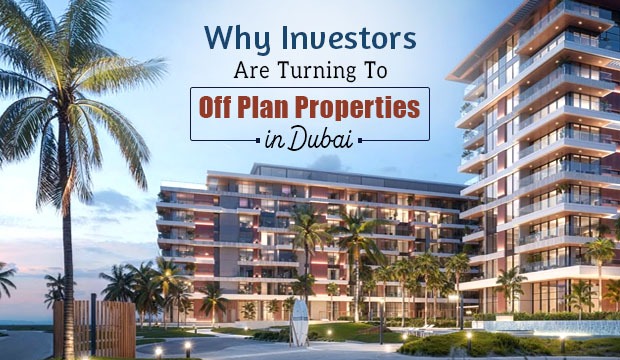
Developers throughout Dubai create complete marketing campaigns throughout Ramadan to support their sales activities in both developed properties and properties that are currently under construction. Buyers can achieve better financial benefits through payment plans that enable them to pay later, as well as through the elimination of all fees and their ability to make purchases after they receive their products.
Strong market fundamentals support buyer confidence even during seasonal shifts such as Ramadan. Real estate insights published by Bayut and Property Finder indicate that mid-market communities and master-planned residential developments continue to attract both investors and end-users, supported by steady population growth and sustained international investor interest.
These trends are particularly visible in communities offering family-oriented living environments, strong infrastructure, and proximity to business districts. As a result, even during periods of slightly moderated activity, such as Ramadan, serious buyers remain active in the market.
Dubai’s investment appeal is also reinforced by competitive rental performance. Market reports from Bayut and Property Finder consistently show that average rental yields in Dubai typically range between 6% and 8% for apartments, depending on location and property type. These returns remain significantly higher than many mature global real estate markets, making the emirate attractive to international investors seeking stable income-generating assets.
Aardys Properties plays an important role through its work in this area. Aardy's Properties uses data analysis to assess Dubai's residential and investment areas as it evaluates:
By combining transactional analytics with localized expertise, Aardys Properties ensures buyers approach Ramadan purchases with clarity rather than impulse. For long-term investors, this approach enables phased capital deployment without immediate mortgage exposure, improving liquidity management while securing future assets.
In contrast, the ready property market often offers stronger negotiation leverage. Sellers may prioritize timely closures during the season, resulting in increased price flexibility or value-added inclusions such as furnished units, service charge adjustments, or minor upgrades.
Strategic acquisition requires more than identifying a discounted unit. It requires:
Aardys Properties guides clients through the entire acquisition cycle, from property sourcing and valuation assessment to transaction execution and post-purchase advisory. Their advisory-first approach ensures buyers capitalize on Ramadan incentives without compromising on asset quality.
By combining seasonal opportunities with reliable market data, buyers can approach property acquisition with greater confidence. Transaction statistics from the Dubai Land Department and insights from leading platforms such as Bayut and Property Finder illustrate that Dubai’s property market continues to experience sustained growth driven by investor confidence, population expansion, and infrastructure development.
For buyers evaluating whether to buy home in Dubai during Ramadan, understanding both market fundamentals and seasonal dynamics can transform the period into a strategic window for well-informed investment decisions.
Aardys Properties provides expert assistance, which allows investors and homeowners to make their Ramadan purchases with complete confidence, accurate planning, and efficient execution. For those evaluating entry into Dubai’s property market, Ramadan is not merely a cultural season; it can be a calculated window of opportunity.